Humidity risk

Humidity risk is easier to manage when the trend is visible.

A room can drift damp, dry, stale, or uncomfortable before anyone can explain why. HumiDR helps operators see whether humidity and air indicators are isolated moments or repeat patterns.

Trend data gives maintenance conversations a clearer starting point.

Humidity range

The useful question is not one reading. It is the pattern.

A single humidity reading can miss what happens after a room fills, a door opens, cleaning starts, rain moves through, or the HVAC schedule changes. HumiDR watches the room over time so operators can see persistent high or low humidity periods.

  • Review whether humidity stays inside a practical operating band.
  • Compare rooms with different occupancy or ventilation patterns.
  • Use trend data to guide maintenance, HVAC, or dehumidification decisions.

Monthly room summary

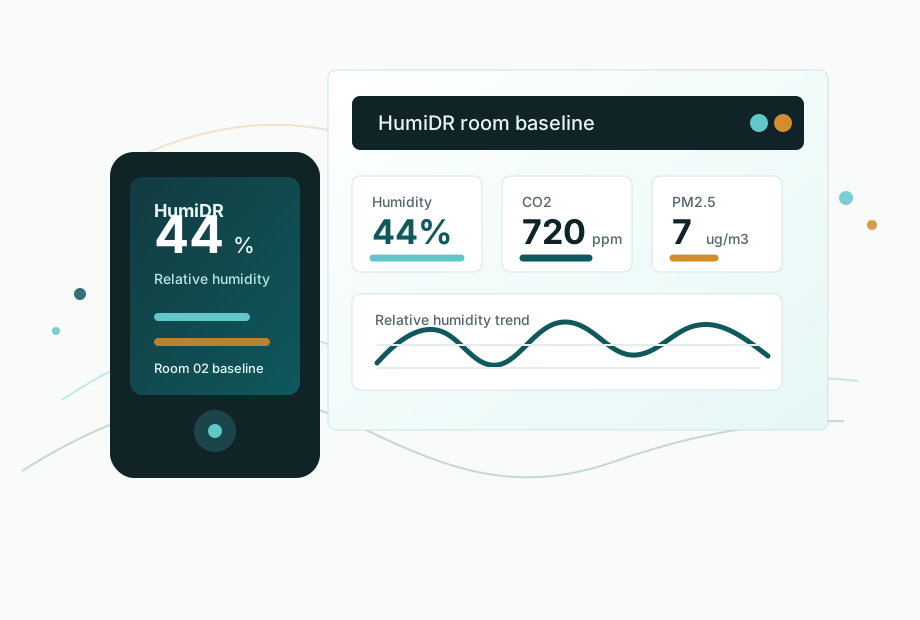
Room 02 baseline

Waiting room | May 2026 | 30-day monitoring pilot

Review needed
Humidity 44%
Temperature 72F
CO2 peak 980
PM2.5 avg. 7

Humidity stayed inside the target review band most days. CO2 rose during afternoon occupancy, which may be worth reviewing with the ventilation schedule.

Common room patterns

Damp, dry, stale, and dusty rooms each leave different signals.

Damp rooms

Repeated high humidity may deserve dehumidification, HVAC, drainage, or envelope review.

Dry rooms

Low humidity can show seasonal discomfort patterns, especially during heating months.

Stale rooms

CO2 trends can help identify occupied periods that may need ventilation review.

Dusty rooms

Particle spikes can point to activity, cleaning, outdoor air, filtration, or nearby source events.

Where to watch first

Start in rooms where the pattern matters.

The best first rooms are usually not mechanical rooms. They are spaces where people gather, complaints repeat, moisture history exists, or business operations depend on comfort.

Rooms with recurring complaints

Track the rooms people already describe as damp, dry, stuffy, musty, or dusty.

High-occupancy rooms

Watch classrooms, waiting rooms, studios, and nurseries during busy use windows.

Moisture-prone spaces

Basements, storage rooms, and exterior-adjacent rooms can be useful places to baseline.

What to do with the data

Trend data should lead to practical next steps.

Adjust maintenance

Filter replacement, service notes, and operating schedules can be reviewed against the room trend.

Review ventilation

Persistent CO2 patterns may be a useful prompt for HVAC or ventilation schedule review.

Escalate when needed

Mechanical, mold, or environmental concerns should go to the appropriate qualified professional.

FAQ

Humidity monitoring basics.

What humidity range should a building target?

Many buildings use roughly 30% to 50% relative humidity as a practical comfort and moisture-management review band. The right operating target can vary by building, season, occupancy, and HVAC system.

Why does high humidity matter?

Persistent high humidity can make rooms feel damp or musty and may point to moisture, ventilation, HVAC, or building-envelope conditions that deserve review.

Why does low humidity matter?

Low humidity can make rooms feel dry and uncomfortable, especially during heating season. HumiDR can show whether the issue is occasional or persistent.

Can humidity monitoring prove a mold problem?

No. Humidity monitoring can show conditions that deserve attention, but mold concerns require qualified environmental assessment and appropriate remediation guidance.